
Artificial intelligence is no longer just for large enterprises. In 2026, small businesses can use AI tools to save time, reduce repetitive work, improve customer service, and create content faster than ever before.
Whether you run a solo business, a local service company, an online store, or a growing team, the right AI tools can help you work more efficiently without hiring a large staff.
In this guide, we’ll look at the best AI tools for small businesses in 2026, what each one does well, and how to choose the right combination for your business.
If you are building a broader productivity stack, you may also want to read our guide on Best AI Tools for Professionals and our post on AI Productivity Workflows.
Why AI Tools Matter for Small Businesses
Small businesses usually operate with limited time, limited staff, and tighter budgets than larger organizations. That is exactly why AI can be so valuable.
Instead of doing every task manually, AI tools can help with:
- writing emails and content
- customer support
- scheduling and workflow automation
- meeting notes and summaries
- social media content
- image and video creation
- search engine optimization
- idea generation and research
The biggest benefit is not replacing people. It is freeing up time for higher-value work like strategy, sales, customer relationships, and growth.
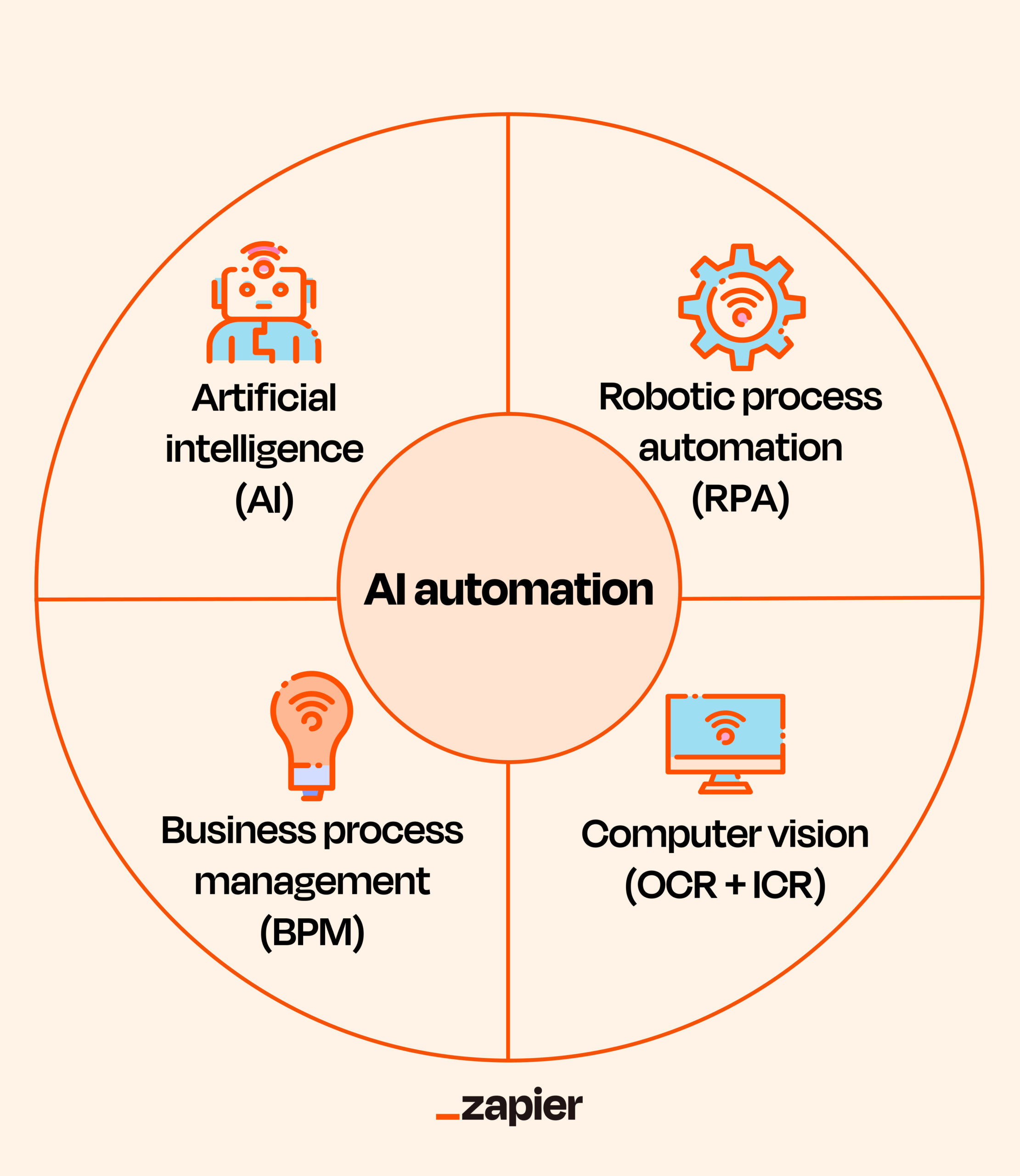
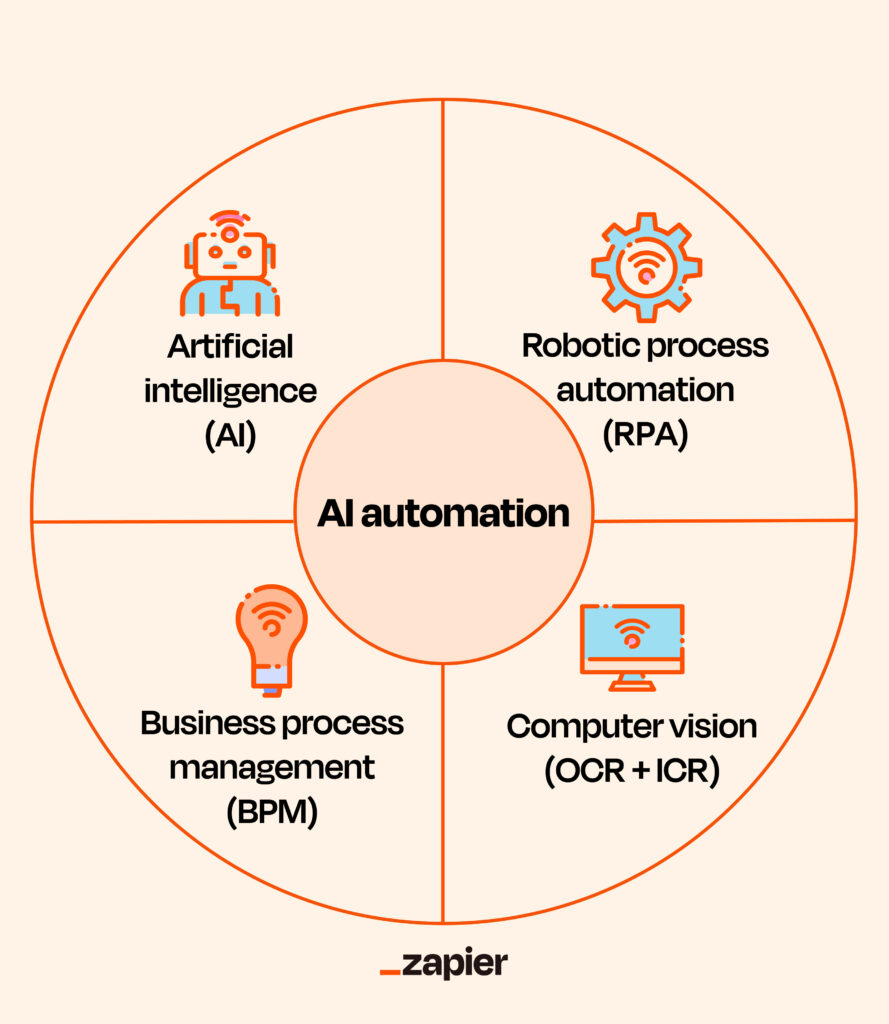
Explore these AI automation tools for business to streamline workflows.
What Makes a Good AI Tool for Small Business?
Not every AI tool is worth paying for. The best AI tools for small businesses usually have a few things in common:
Easy to use
Small business owners do not have time for a steep learning curve. A good tool should be quick to understand and practical to use right away.
Clear time savings
A tool should solve a real problem. If it only feels impressive but does not save time or improve output, it is probably not worth it.
Affordable pricing
Cost matters. Many small businesses need tools that can deliver value before moving to expensive higher-tier plans.
Flexible use cases
The best tools can support multiple tasks. A tool that helps with content, customer messages, and brainstorming is often more valuable than one that does only one thing.
Good integration potential
AI becomes much more powerful when it works with your existing systems, such as email platforms, CRMs, spreadsheets, task managers, or website tools.
15 Best AI Tools for Small Businesses in 2026
1. ChatGPT
ChatGPT remains one of the most useful AI tools for small businesses because it is so flexible. It can help write blog posts, draft emails, generate product descriptions, answer customer-service style questions, summarize documents, brainstorm marketing campaigns, and build repeatable workflows.
For many small businesses, ChatGPT acts like a multi-purpose digital assistant. It is especially useful for businesses that need help with writing, planning, customer communication, and idea generation.
Best for:
- writing and editing
- brainstorming
- customer communication drafts
- marketing ideas
- summarizing and research
Why it stands out:
It is one of the most versatile AI tools available and can serve multiple functions in one place.
If you want practical ways to use AI for everyday work, check out our guide on Best ChatGPT Prompts post.
2. Jasper
Jasper is built more specifically for marketing and business content creation. It is popular with teams that need to produce website copy, email campaigns, ad copy, product descriptions, and social media content at scale.
For small businesses that rely heavily on content marketing, Jasper can speed up campaign creation and maintain a more consistent brand voice.
Best for:
- marketing copy
- branded writing
- campaign content
- content teams
Why it stands out:
It is designed more directly for business and marketing content than general-purpose chat tools.
3. Zapier
Zapier is one of the best automation tools for small businesses because it connects apps and automates repetitive workflows. Even though it is not only an AI product, its automation power makes it essential in an AI-enabled business stack.
You can use Zapier to automatically move data between forms, email tools, CRMs, spreadsheets, calendars, and many other apps. This saves time and reduces manual errors.
Best for:
- app-to-app automation
- lead handling
- admin task automation
- repetitive workflow reduction
Why it stands out:
It helps small businesses automate operations without needing custom development.
4. Notion AI
Notion AI is very useful for teams and founders who want one place for notes, planning, documents, and internal knowledge. Its AI features can summarize notes, rewrite content, generate outlines, and help organize ideas faster.
For small businesses managing projects, SOPs, content calendars, and planning documents, Notion AI can become a powerful central workspace.
Best for:
- project planning
- internal documentation
- note summarization
- idea organization
Why it stands out:
It combines productivity, documentation, and AI assistance in one environment.
5. Grammarly
Grammarly is one of the simplest AI tools to justify because clear communication matters in every business. It improves grammar, clarity, tone, and professionalism across emails, documents, blog posts, and website copy.
Even if you already write well, Grammarly helps catch mistakes and polish communication before it reaches customers or partners.
Best for:
- email writing
- editing
- business communication
- polishing website copy
Why it stands out:
It is easy to use, practical, and valuable immediately.
6. Canva AI
Canva’s AI features make design much more accessible for small businesses. You can create social posts, presentations, marketing graphics, website visuals, and branded content without being a designer.
For small businesses that need fast visuals for social media, blog graphics, ads, or lead magnets, Canva is one of the best-value tools available.
Best for:
- social media graphics
- presentations
- blog visuals
- branded design assets
Why it stands out:
It lowers the barrier to high-quality design.
7. Copy.ai
Copy.ai focuses on generating sales and marketing content quickly. It is especially useful for short-form copy such as product descriptions, outbound messages, landing page copy, and promotional text.
Small businesses with limited marketing resources can use Copy.ai to speed up content production and test different messaging angles.
Best for:
- sales copy
- email campaigns
- product descriptions
- landing pages
Why it stands out:
It is built for business messaging and fast copy generation.
8. Tidio
Tidio offers AI-powered chat and customer support tools that help businesses respond to common customer questions automatically. This can be particularly useful for ecommerce stores and service businesses that receive repeated inquiries.
It helps businesses provide faster support without needing a full-time support team online at all times.
Best for:
- customer support
- live chat
- chatbot responses
- ecommerce communication
Why it stands out:
It helps small businesses improve response times and support availability.
9. Surfer SEO
Surfer SEO helps businesses create content that is better optimized for search engines. It analyzes top-ranking pages and provides content recommendations related to keywords, headings, content depth, and structure.
For a content-driven site like GuruTech, tools like this can be useful when creating SEO-focused articles.
Best for:
- SEO content optimization
- blog strategy
- keyword-based content improvement
Why it stands out:
It helps improve the chances of ranking content more effectively.
10. Pictory
Pictory turns written content into short videos, making it useful for businesses that want to repurpose blog posts into visual content for social media and promotions.
This is especially valuable for small businesses that want more video presence without spending heavily on production.
Best for:
- converting articles to video
- social content
- simple video marketing
Why it stands out:
It makes video creation easier for non-editors.
11. Synthesia
Synthesia lets businesses create AI-generated videos using virtual presenters. It can be used for training videos, internal communication, product demos, and explainers.
For small businesses that want polished video content without filming on camera, this can be very useful.
Best for:
- training videos
- explainers
- demo videos
- business communication
Why it stands out:
It reduces the need for traditional video production.
12. Otter
Otter automatically records, transcribes, and summarizes meetings. This is highly valuable for businesses that take a lot of calls, client meetings, team meetings, or interviews.
Instead of manually taking notes, you can review summaries and action points afterward.
Best for:
- meeting notes
- client call summaries
- team collaboration
Why it stands out:
It saves time and improves meeting follow-up.
13. Fireflies
Fireflies is another strong AI meeting assistant. It records calls, captures discussions, and helps teams identify follow-ups and insights from conversations.
For service businesses, consultants, agencies, and teams doing frequent calls, this can reduce missed details and improve organization.
Best for:
- sales calls
- team meetings
- action item capture
- call documentation
Why it stands out:
It helps turn conversations into usable business records.
14. Midjourney
Midjourney is an AI image generation tool that can help create unique visuals, concept art, campaign imagery, and creative assets. While it may not be essential for every business, it can be valuable for branding, promotions, and content visuals.
Best for:
- creative image generation
- branding concepts
- campaign visuals
Why it stands out:
It can create distinctive visuals quickly when used well.
15. Descript
Descript is a powerful AI-assisted audio and video editing platform. It is especially useful for editing podcasts, tutorials, social clips, and business videos. Its text-based editing approach makes video and audio editing much easier for non-experts.
Best for:
- podcast editing
- video editing
- business media content
- tutorials
Why it stands out:
It simplifies content editing for creators and businesses.
How to Choose the Right AI Tools for Your Small Business
The smartest approach is not to buy every AI tool. It is to choose tools based on your biggest bottlenecks.
Ask yourself:
Do you spend too much time writing?
Start with ChatGPT, Jasper, or Grammarly.
Do you waste time on admin work?
Do you need better customer support?
Consider Tidio.
Do you want more traffic from content?
Surfer SEO can help.
Do you want more visual content?
Canva AI, Pictory, Synthesia, Midjourney, and Descript can support that.
A small business usually gets more value from using three to five tools well than from subscribing to too many tools at once.
A Simple AI Stack for Small Businesses
A very practical starter stack could look like this:
- ChatGPT for writing, brainstorming, and planning
- Zapier for automation
- Canva AI for design
- Grammarly for polished communication
- Tidio or Otter depending on whether support or meetings matter more
That combination already covers a huge amount of daily business work.
Common Mistakes Small Businesses Make With AI
Using AI without a clear purpose
AI should solve specific problems, not just feel exciting.
Relying on one tool for everything
Different tools do different jobs well. A balanced stack is often better.
Publishing AI content without editing
AI output should be reviewed and improved so it reflects your voice and real value.
Ignoring workflow integration
The biggest gains often come from combining tools into real systems.
Chasing every new AI app
It is better to master a few useful tools than to keep switching constantly.
The Future of AI for Small Business
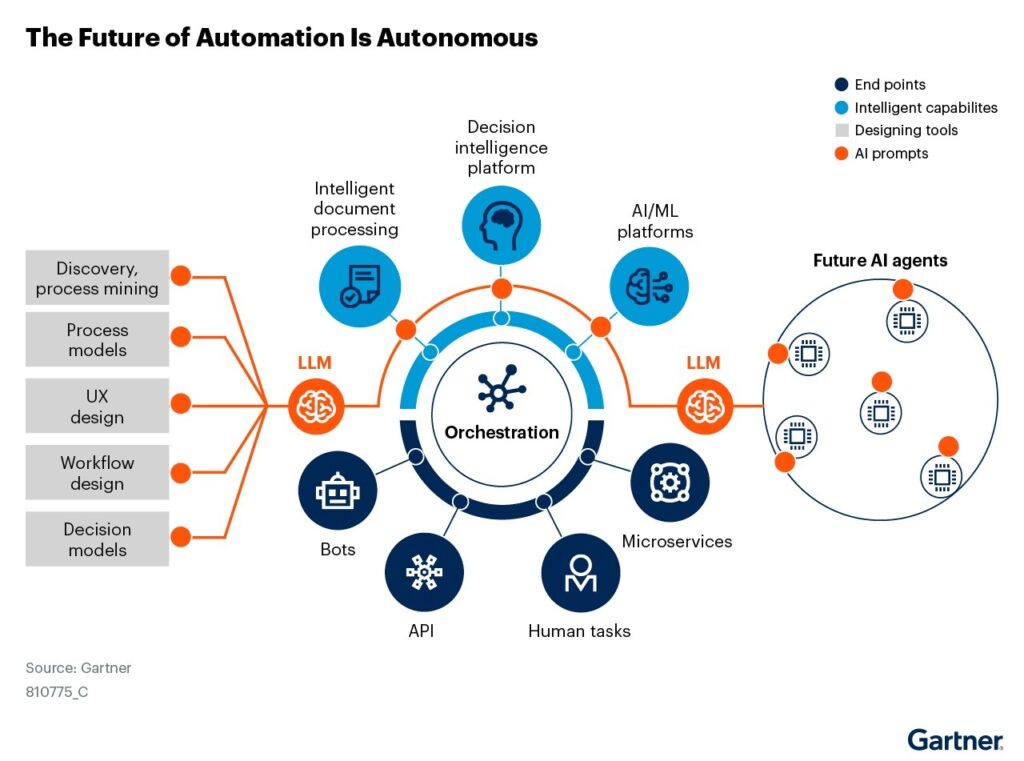
AI will likely become a standard part of operating a small business, much like email, websites, and cloud software already are. The businesses that benefit most will not be the ones using the most tools. They will be the ones using the right tools in practical, repeatable ways.
That means building workflows, improving consistency, and freeing up time for growth.
For small businesses, AI is not just a trend. It is becoming part of the operating system of modern work.
These tools are also widely used by consultants working with clients. For a focused breakdown, explore our guide on AI tools for consultants.
Frequently Asked Questions About AI Tools for Small Business
What are the best AI tools for small businesses in 2026?
The best AI tools for small businesses in 2026 include ChatGPT for writing and research, Zapier for automation, Canva for design, Notion AI for organization, and Grammarly for improving communication. These tools help automate daily tasks, create marketing content faster, and improve productivity for small teams and entrepreneurs.
How can AI tools help small businesses save time?
AI tools help small businesses save time by automating repetitive tasks such as writing emails, generating marketing content, summarizing meetings, scheduling workflows, and answering common customer questions. This allows business owners to focus more on growth, strategy, and customer relationships.
Are AI tools expensive for small businesses?
Many AI tools offer free plans or affordable subscriptions designed specifically for small businesses. Tools like ChatGPT, Canva, Grammarly, and Notion provide free tiers that are powerful enough for many everyday tasks. Businesses can start with free versions and upgrade as their needs grow.
What tasks can AI automate in a small business?
AI can automate a wide range of business tasks including content writing, email responses, meeting summaries, customer support chatbots, social media content creation, and workflow automation between apps. This reduces manual work and helps teams operate more efficiently.
Do small businesses need technical knowledge to use AI tools?
Most modern AI tools are designed to be easy to use and require little or no technical knowledge. Many platforms use simple interfaces where users can type instructions, use templates, or connect applications through visual automation tools.
Which AI tools are best for marketing and content creation?
AI tools such as ChatGPT, Jasper, Canva, and Copy.ai are widely used for marketing and content creation. They can help generate blog posts, product descriptions, advertising copy, social media posts, and email campaigns quickly.
Can AI replace employees in small businesses?
AI tools are designed to assist employees rather than replace them. They automate repetitive work and provide suggestions, allowing employees to focus on creative tasks, strategy, and customer relationships.
How should small businesses start using AI?
The best way for small businesses to start using AI is by identifying tasks that consume the most time and choosing tools that automate those processes. Starting with a writing assistant, a design tool, and an automation platform can significantly improve productivity.
Final Thoughts
The best AI tools for small businesses in 2026 can help save time, improve output, automate repetitive work, and support growth without dramatically increasing costs.
You do not need a huge budget or a technical background to benefit. Start with the tools that solve your biggest business problems, then expand gradually.
For most small businesses, the real advantage of AI is simple: doing more with less, while keeping more time for the work that truly matters.